

What to Do After Hitting a Deer in Minnesota: Understanding Insurance & Liability
October 6, 2026 | Adriel B. Villarreal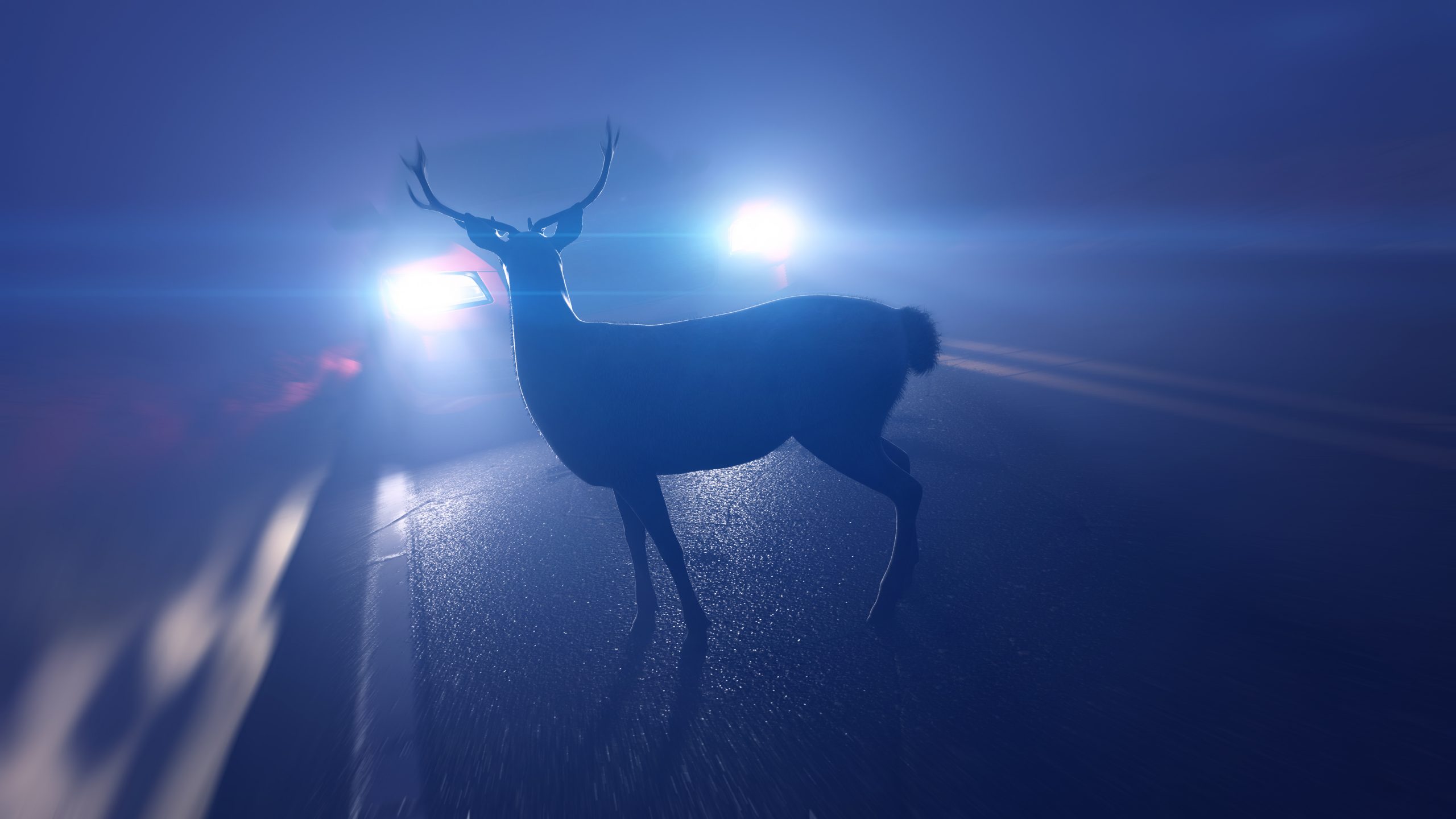
October marks the beginning of deer mating season in Minnesota, bringing a surge in deer-vehicle collisions across both rural roads and metro-area highways. Hitting a deer can be a terrifying, jarring experience that leaves you shaken, your vehicle damaged, and your head spinning with questions about insurance and liability. Knowing what to do after hitting a deer—and understanding how Minnesota law and insurance policies handle these accidents—can make all the difference.
Step-by-Step: What to Do Immediately After a Deer Collision
If you strike a deer, your safety and the safety of your passengers should be your first priority. Take these steps right away:
- Move to Safety: If your vehicle is still operable, pull over safely to the shoulder or a nearby side street. Turn on your hazard lights.
- Call 911 or Local Law Enforcement: Report the accident immediately. Minnesota law requires you to report accidents involving property damage above a certain threshold or any injuries. A police report also creates an official, objective record, which is vital for your insurance claim.
- Stay Away from the Animal: Do not approach an injured deer. A frightened and wounded large animal can thrash violently and cause severe injuries. Let law enforcement or animal control handle it.
- Document the Scene: When it is safe to do so, use your smartphone to take photos of your vehicle’s damage, the surrounding roadway, skid marks, and any debris. If there are eyewitnesses, gather their contact information.
- Notify Your Insurance Provider: Report the incident to your insurer as soon as possible to start the claims process.
Comprehensive vs. Collision Claims in Deer-Vehicle Accidents
One of the most common points of confusion after a deer collision is how insurance classifies the incident. In Minnesota, the difference between hitting a deer directly and swerving to miss one can dramatically impact your insurance claim:
- Comprehensive Claims (Hitting the Animal Directly): If your vehicle makes direct physical contact with the deer, the damage is typically covered under your policy’s comprehensive coverage. Comprehensive insurance is designed to protect against “acts of nature” and sudden, unpredictable events outside of your control—such as theft, fire, falling tree branches, or a deer darting into the road. Because hitting a deer directly is considered a random, unavoidable event, insurance companies generally treat this as a not-at-fault incident. You will be responsible for paying your policy’s comprehensive deductible, and the insurance company covers the remaining repair costs up to your policy limit.
- Collision Claims (Swerving and Hitting Something Else): Human instinct often causes drivers to jerk the steering wheel to avoid an animal. However, if you swerve to miss a deer and instead crash into a tree, a guardrail, a ditch, or another vehicle—without ever actually striking the deer—the insurance situation shifts. This is categorized as a collision claim. Insurance companies view single-car accidents caused by swerving as collisions under your control. Consequently, your insurer may deem you at fault for the secondary impact, which can lead to higher insurance premiums and require you to pay a collision deductible.
Who Pays for Damages and Injuries?
How your medical bills and property damages are paid depends heavily on the specific coverages on your auto policy:
- Vehicle Repairs: As noted above, vehicle damage from a direct hit is paid via your comprehensive coverage (minus your deductible). If you carry only basic liability insurance and opted out of comprehensive coverage, your insurance will not pay to fix your car, leaving you responsible for all repair bills.
- Medical Bills: Comprehensive and collision coverages only apply to property damage to your vehicle. To cover medical expenses after a deer crash, you rely on personal injury protection (PIP)—which is mandatory on Minnesota auto policies—or optional medical payments coverage (MedPay).
When Is Another Driver at Fault in a Deer Collision?
While most deer collisions are single-vehicle accidents where no other driver is involved, multi-vehicle incidents can happen, especially on busy roads if a vehicle stops abruptly or swerves unexpectedly.
Another driver could be held legally at fault (partially or entirely) if:
- A driver behind you was tailgating and rear-ended your vehicle because you braked or stopped safely for a deer.
- An oncoming driver was speeding, distracted, or driving aggressively, turning a minor evasive maneuver on your part into a major collision.
- Another motorist’s negligence compounded the chain of events after an initial animal strike.
Determining fault in multi-vehicle crashes involving wildlife requires a careful investigation of traffic laws, police reports, and insurance guidelines.
Contact BGS for Help with Injury and Car Accident Claims
Navigating insurance adjusters, policy limits, and liability questions after hitting a deer can quickly become overwhelming—especially if you or a loved one sustained injuries.
If you’re wondering what to do after hitting a deer, have questions about your rights after a car accident, or need legal representation for a personal injury claim, the attorneys at Barna, Guzy & Steffen, Ltd. are here to help. Contact us today to schedule a consultation and let our dedicated team protect your rights.