


What to Do After Hitting a Deer in Minnesota: Understanding Insurance & Liability
October 6, 2026 | Adriel B. Villarreal
October marks the beginning of deer mating season in Minnesota, bringing a surge in deer-vehicle collisions across both rural roads and metro-area highways. Hitting a deer can be a terrifying, jarring experience that leaves you shaken, your vehicle damaged, and your head spinning with questions about insurance and liability. Knowing what to do after hitting a deer—and understanding how Minnesota law and insurance policies handle these accidents—can make all the difference. Step-by-Step: What to Do Immediately After a Deer Collision If you strike a deer, your safety and the safety of your passengers should be your first priority. Take these steps right away: Move to Safety: If your vehicle is still operable, pull over safely to the shoulder or a nearby side street. Turn on your hazard lights. Call 911 or Local Law Enforcement: Report the accident immediately. Minnesota law requires you to report accidents involving property damage above a certain threshold or any injuries. A police report also creates an official, objective record, which is vital for your insurance claim. Stay Away from the Animal: Do not approach an injured deer. A frightened and wounded large animal can thrash violently and cause severe injuries. Let law enforcement or animal control handle it. Document the Scene: When it is safe to do so,…
Read MoreDo I Need a Lawyer for My Divorce? (And What About Mediation?)
September 9, 2026 | Jason C. Brown
Divorce can be an expensive and time-consuming process. Many individuals moving toward divorce wonder whether they can handle the process on their own or whether hiring a divorce attorney is worth the cost. But while DIY divorce is possible under specific, simple conditions, having an attorney safeguards your rights, protects your best interests, and prevents you from making costly mistakes. When Is a Self-Represented Divorce Feasible? Going through a divorce without an attorney is difficult, but it is possible. It works best in an uncontested divorce, where both parties agree on all terms from the beginning. This is usually a short-term marriage with no minor children involved, minimal shared assets, no real estate, and no complex retirement accounts. If you go this route, you will be responsible for all paperwork, deadlines, procedural filing, and legal research. In addition to the workload, there are risks associated with self-represented divorces. Without proper legal training, you run the risk of filing improperly, miscalculating assets, or accidentally waiving important rights. And once your divorce agreement is finalized by the court, it is very difficult to modify. That’s why we highly recommend working with a professional divorce attorney, even in an uncontested divorce. When Is Hiring a Divorce Attorney Necessary? While consulting with a divorce attorney is always…
Read MoreCorporate Transparency Act Update: FinCEN Finalizes BOI Rule
September 3, 2026 | Carole Clark Isakson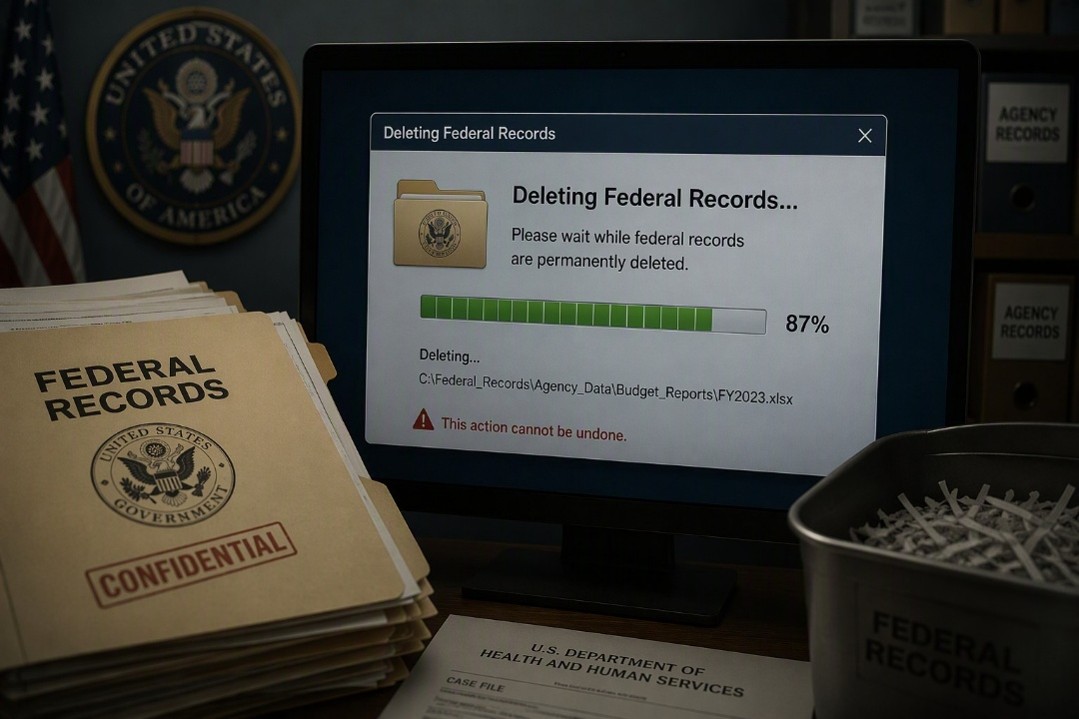
<image generated by AI> Rachel R. Schwankl, Paralegal, contributed to this article. On August 11, 2026, the U.S. Department of the Treasury’s Financial Crimes Enforcement Network (“FinCEN”) issued a final rule which permanently removes the requirement for United States companies and United States persons to report beneficial ownership information (“BOI”) to FinCEN under the Corporate Transparency Act. The final rule became effective on August 14, 2026. FinCEN also announced that it will delete previously reported information by U.S. persons—now exempt from the reporting requirements—from the beneficial ownership information database by working with the National Archives and Records Administration (NARA). When the deletion will occur is unclear. Updated FAQs directly from FinCEN may be accessed here. Our business practice group here at Barna, Guzy & Steffen is dedicated to staying informed and serving our clients’ best interests. If you have questions regarding your Minnesota business activity, our experienced attorneys are ready to assist you. Please contact your attorney directly, or email us at info@bgs.com or call us at (763) 780-8500. We look forward to connecting with you!
Read More