


Paid Family and Medical Leave (Minn. Stat. 268B.01, et seq) Summary:
November 25, 2025 | Kristin Kingsbury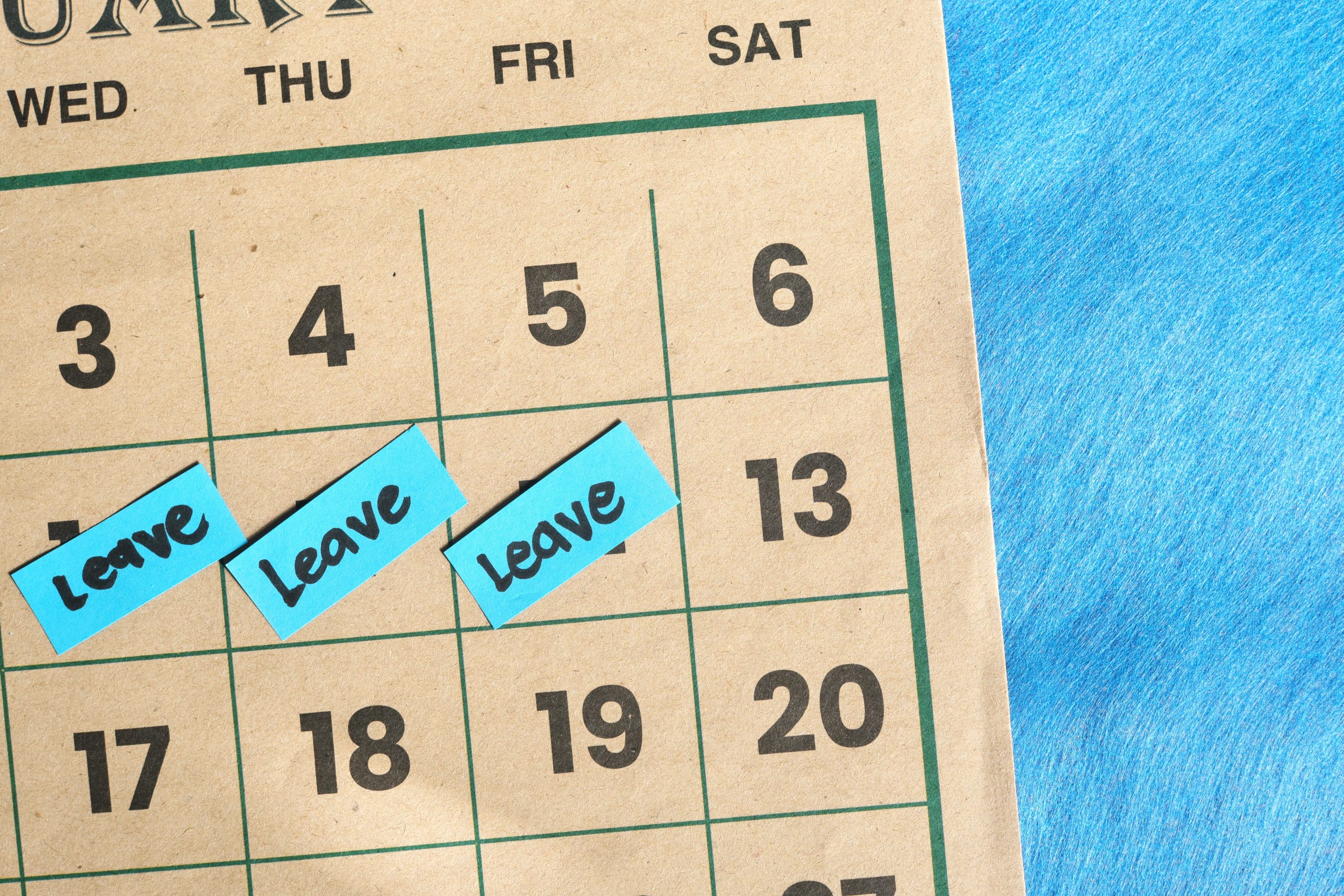
The Minnesota Paid Family Medical Leave (PFML) goes into effect January 1, 2026. The Act provides up to 12 weeks paid leave for the employee, up to 12 weeks paid leave for employee’s care/ assistance of family members, and collectively no more than 20 weeks across the two types of leave. PFML applies to all employers regardless of size. Most employees can receive benefits under the leave. To qualify, individuals must have earned at least $2,700 in the last year, about 5.3% of the state’s average annual wage. Leave can be used for medical or family reasons. Medical leave examples (caring for employee): Care of employee for a serious health condition. “Serious health condition” means physical or mental illness, injury, impairment, condition, or substance use disorder. Care of self for a serious condition may involve evaluation, inpatient care, recovery, or not being able to perform regular work. This can include childbirth, conditions related to pregnancy, or surgery. Family leave examples (i.e., caring for others): Bonding care: To care for and bond with a new child through birth, adoption, or foster placement. Caring leave: To care for a family member with a serious health condition. Military family leave: To support a family member called to active duty. Safety leave: To respond to issues such…
Read MoreImpact of Key Provisions of Congress’ Bill that Ended the Government Shutdown for Vulnerable Populations
November 21, 2025 | Cathryn Reher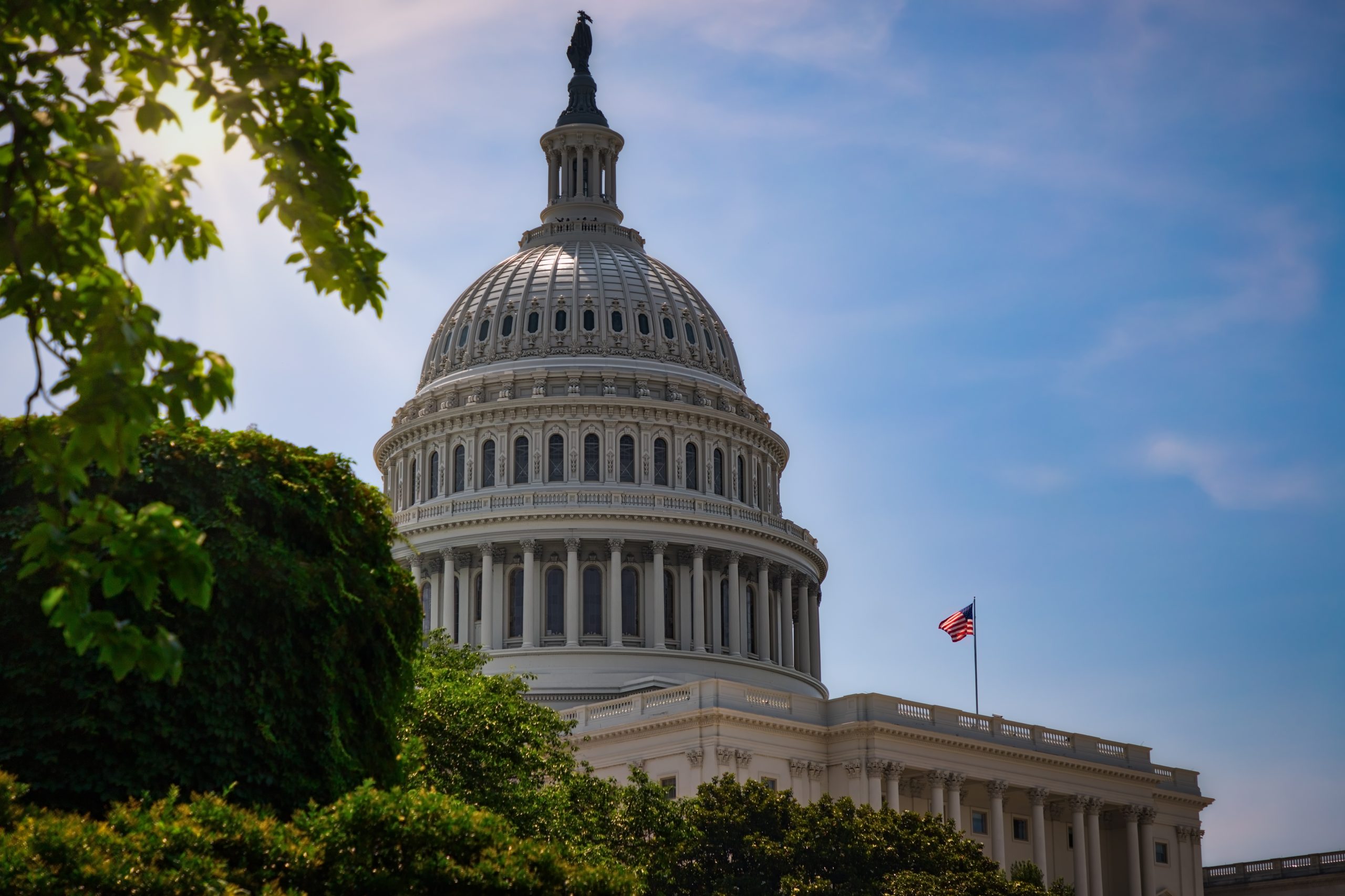
Our Estate Planning Department works with persons with disabilities of all ages who are accessing government benefits to help pay for long-term services and supports. The government shutdown was very scary for those dependent on government benefits. Thankfully, the government shutdown has ended due to Congress passing a law signed November 12, 2025. Some of the provisions in this law will impact our most vulnerable populations. A few of the more important changes are discussed below. Medicare and Medicaid Payments Medicare and Medicaid usually keep running even during a shutdown. But a very long shutdown could have stopped payments to doctors or kept states from getting the money they need. This would have made it hard for people to get care. The reopening of the government avoids this. Health Insurance Costs May Go Up A special kind of discount called an enhanced premium tax credit that helped people pay for health insurance will end on December 31, 2025. Many people who buy insurance through the Affordable Care Act Marketplace may have to pay a lot more—especially people with middle incomes. Families with tight budgets may want to wait until closer to the deadline so they can compare plans and pick the best one. Congress could still bring back these discounts, but doing so now would be confusing because open…
Read MoreHow to Stay Safe on Blackout Wednesday
November 20, 2025 | Adriel B. Villarreal
The night before Thanksgiving, known as “Blackout Wednesday” or “Drinksgiving,” has become a dangerous night for driving due to widespread binge drinking. Most college students are home for the holiday and spend Thanksgiving Eve partying with friends. Many adults of all ages also go to the local bar, enjoying the night before their day off from work. Unfortunately, this binge drinking also leads to an increased rate of impaired driving on Thanksgiving Eve. To help protect our community, we’re sharing these tips to help you stay safe on Blackout Wednesday. Don’t Drink and Drive We hope this first one is obvious, but it still needs to be said. Even small amounts of alcohol can impair your judgment and make driving dangerous for yourself and everyone around you. DUI and DWI charges are also serious matters that could bring jail time, large fines, and license revocation. If you do drink on Blackout Wednesday, have a designated driver or use a rideshare service. This is a vital step to take even if you were planning on driving. Find a ride and come back for your car once you’re sober. Drunk driving causes approximately 11,000 deaths in the United States every year. Drinking and driving simply isn’t worth the risk. Tell Someone Your Plans If you…
Read More